16 Words
Here is everything the Pacific Salmon Treaty has to say about steelhead — the sea-going rainbow trout that anchors some of the most valuable recreational fisheries in the Pacific Northwest:
Article IX: Steelhead. In fulfilling their functions, the Panels and Commission shall take into account the conservation of steelhead.
That is the entire article. Sixteen words. There is no second sentence.
Read More
Interior Fraser Steelhead: Still in Extreme Conservation Concern
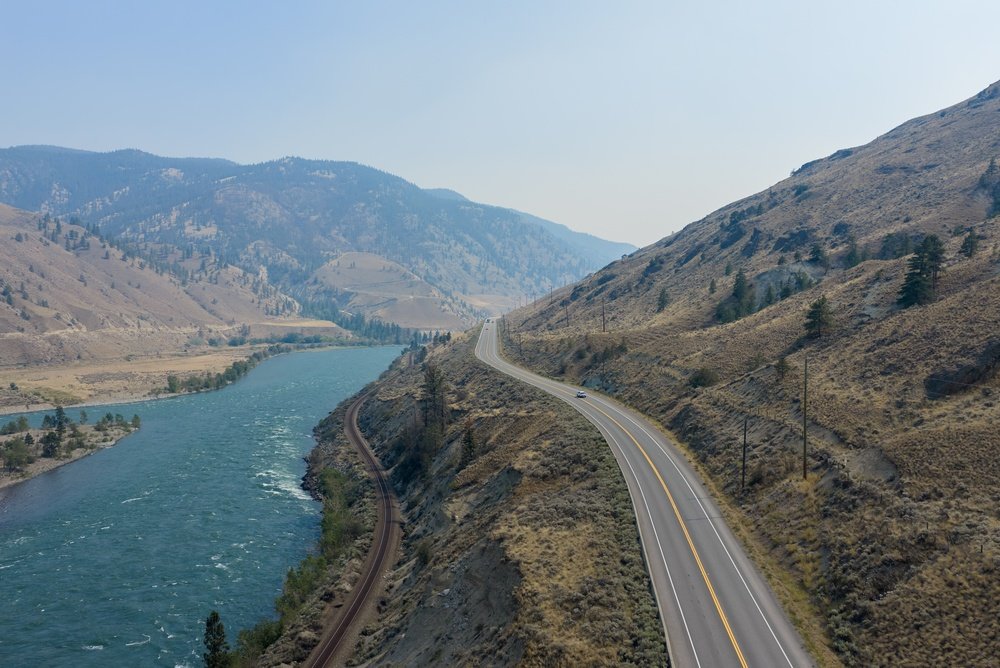
British Columbia's Ministry of Water, Land and Resource Stewardship released its final status update on the 2025/26 run of Interior Fraser Steelhead (IFS) on July 29, 2026. The verdict is grim but not surprising: both the Thompson and Chilcotin populations, the two watersheds that have anchored IFS monitoring since the 1970s, remain in a state of Extreme Conservation Concern.
For anyone who has followed these fish, the numbers below are a familiar kind of heartbreak. They also underscore why the fight for wild steelhead recovery can't slow down.
Read More
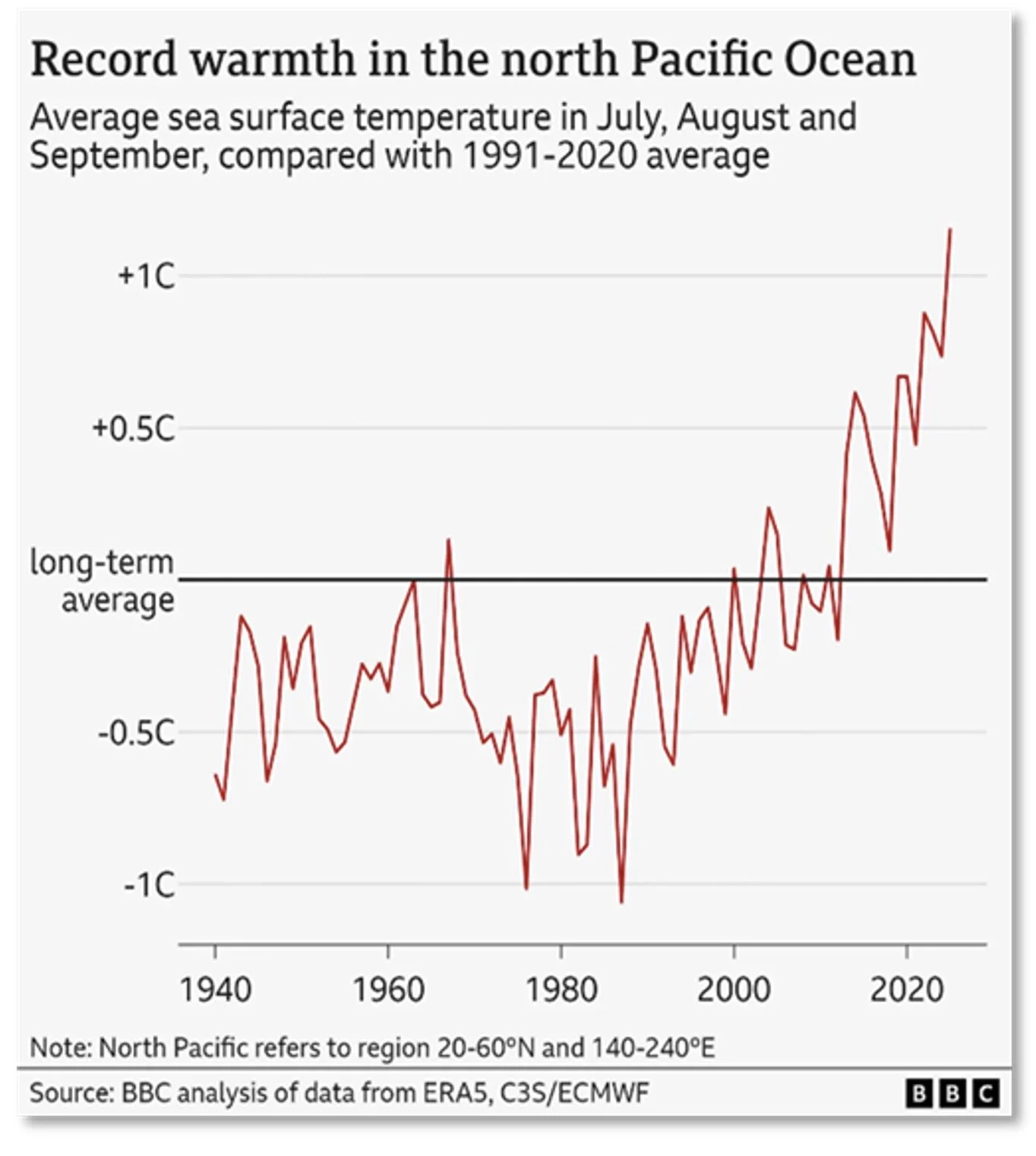
The Ocean Sent a Warning
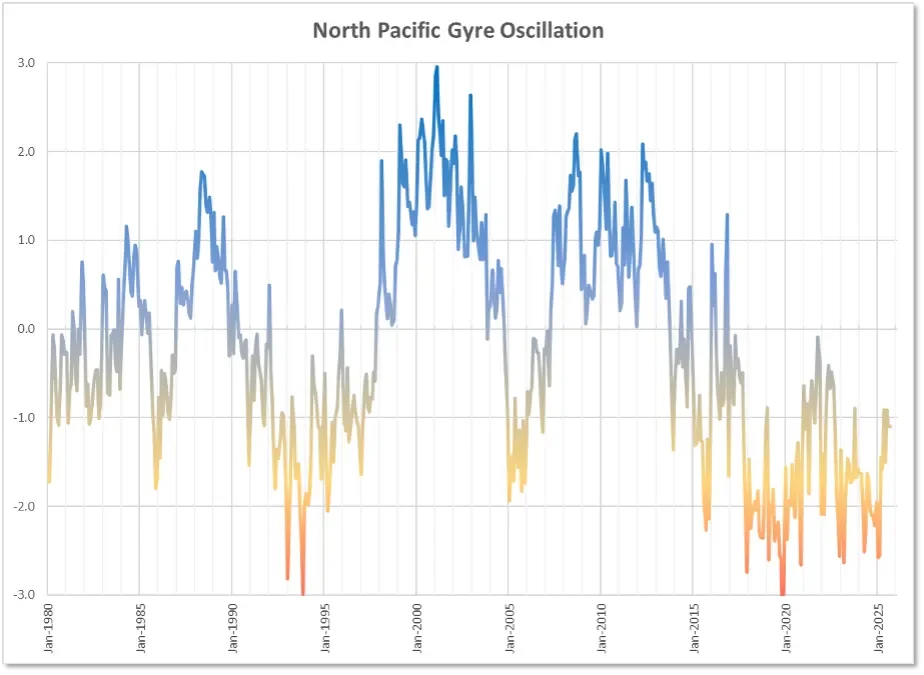
The closures now confronting steelhead anglers on Oregon's Deschutes and North Umpqua rivers are painful. They affect anglers, guides, businesses, communities, and a fishing culture built around some of the world's most storied wild steelhead rivers. But the most important thing about these closures is not that fishing opportunity has been lost. It is why.
Read More
The Masters Have Done Their Part
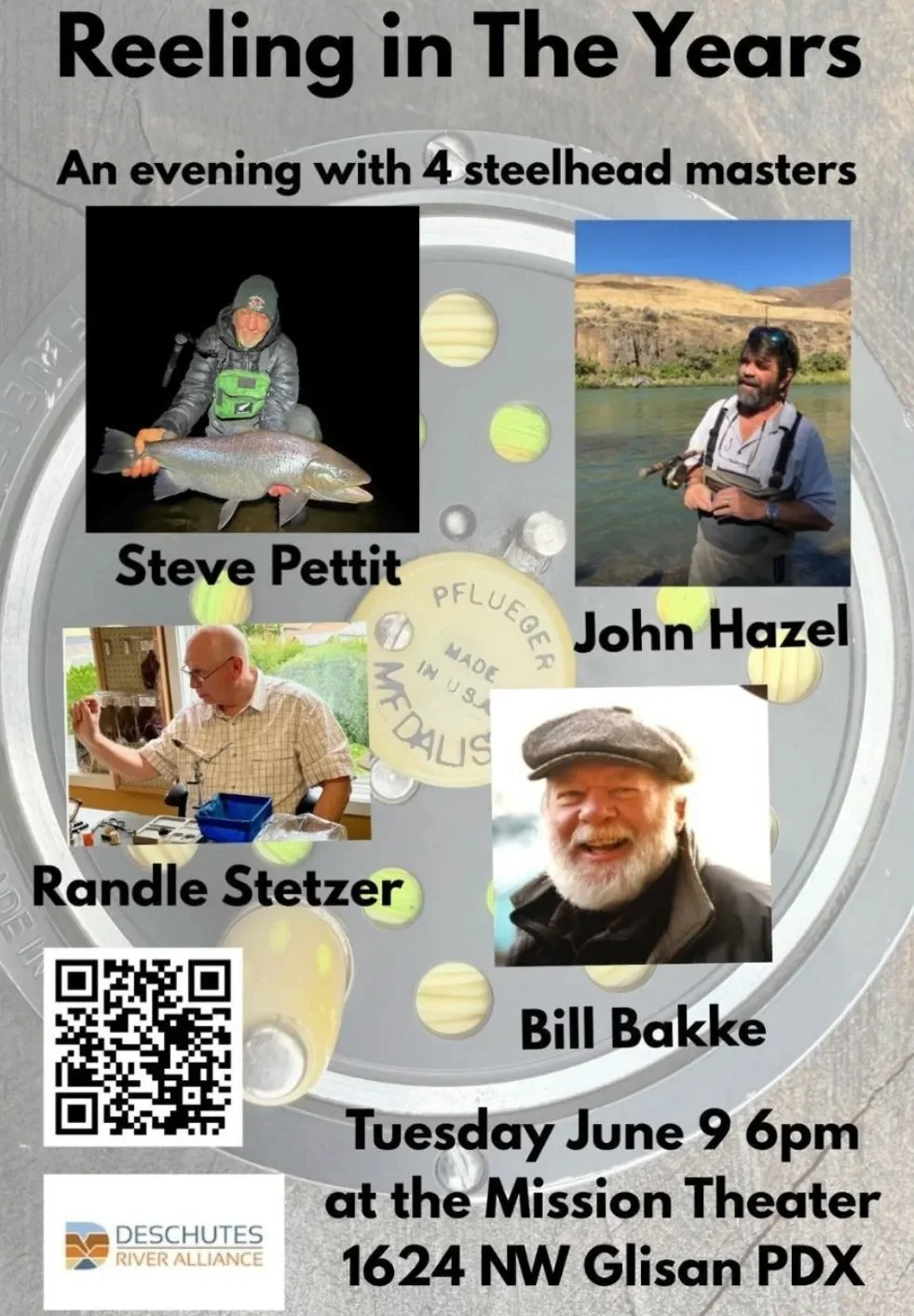
Recently, five men shared a stage at the Mission Theater in Portland, and between them, they carried close to two and a half centuries of life spent on Pacific Northwest rivers. Steve Pettit. Bill Bakke. John Hazel. Randle Stetzer. Bill McMillan. The event, called Reeling In the Years, deserved a full house.
Read More
Ocean Conditions and the Future of Wild Steelhead
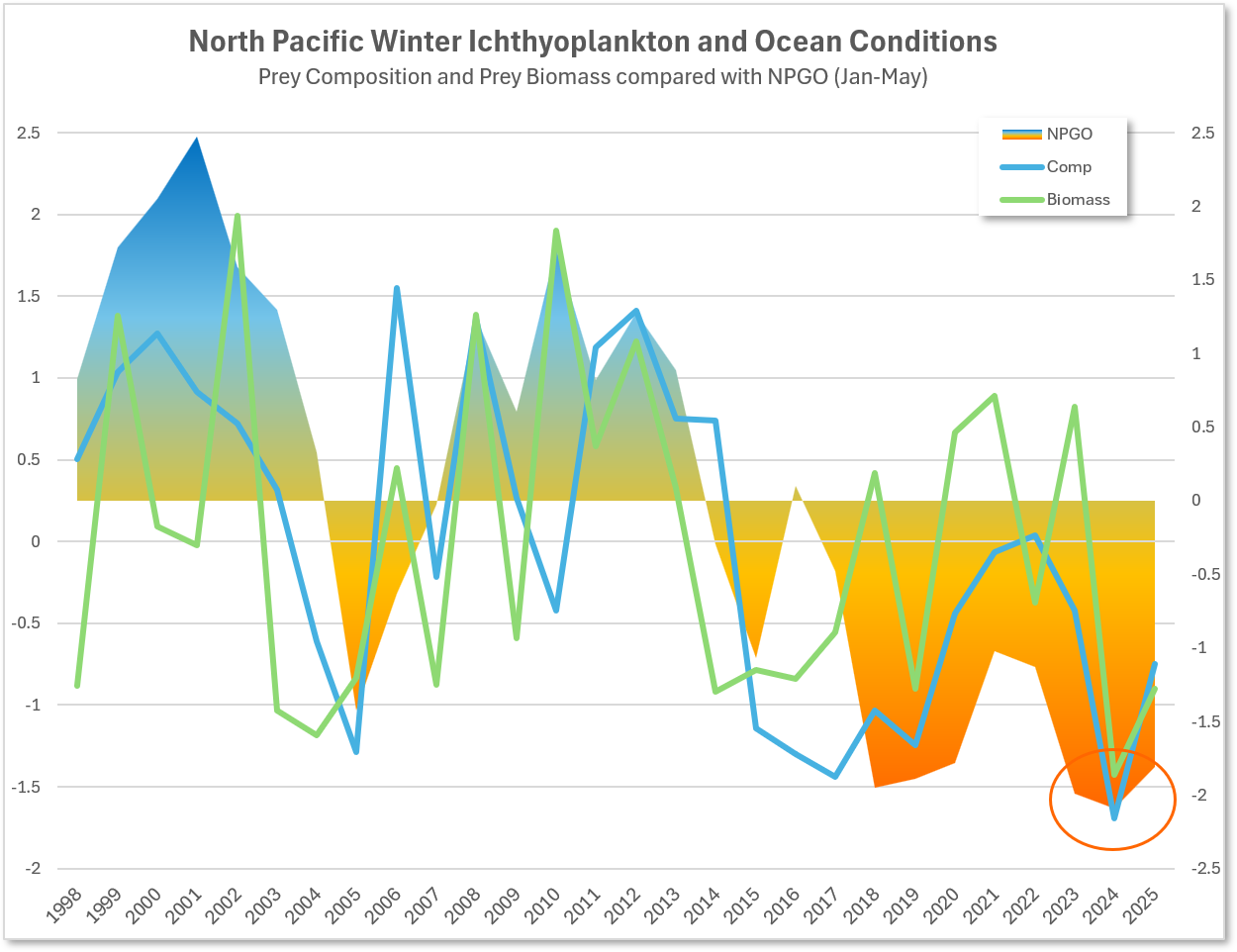
Recent news coverage has brought renewed attention to the North Pacific’s changing ocean conditions and their implications for steelhead and salmon. NOAA scientists have been tracking how environmental shifts in the North Pacific are affecting survival rates for these iconic fish, and the picture isn’t encouraging.
Read More
Cold Water, Culverts, and the Future of Idaho’s Wild Salmon and Steelhead
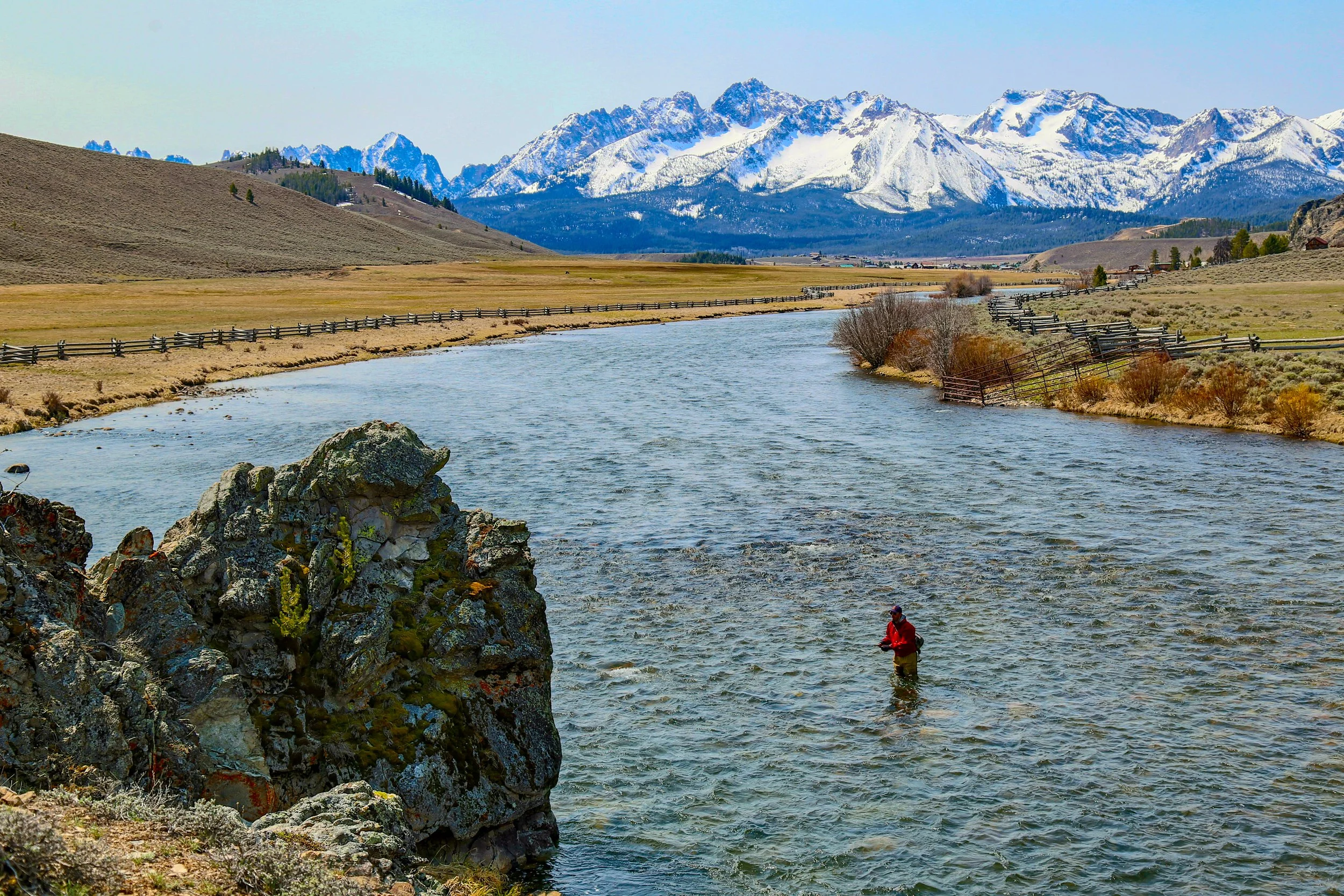
Salmon and steelhead recovery in the Snake River Basin remains one of the most complex conservation challenges in the United States. It involves hydropower, treaty rights, water temperature, hatchery policy, and ocean conditions—none of which can be addressed solely through habitat work.
But habitat is the foundation on which everything else depends.
Read More
The Run Isn't Just Smaller - It's Simpler
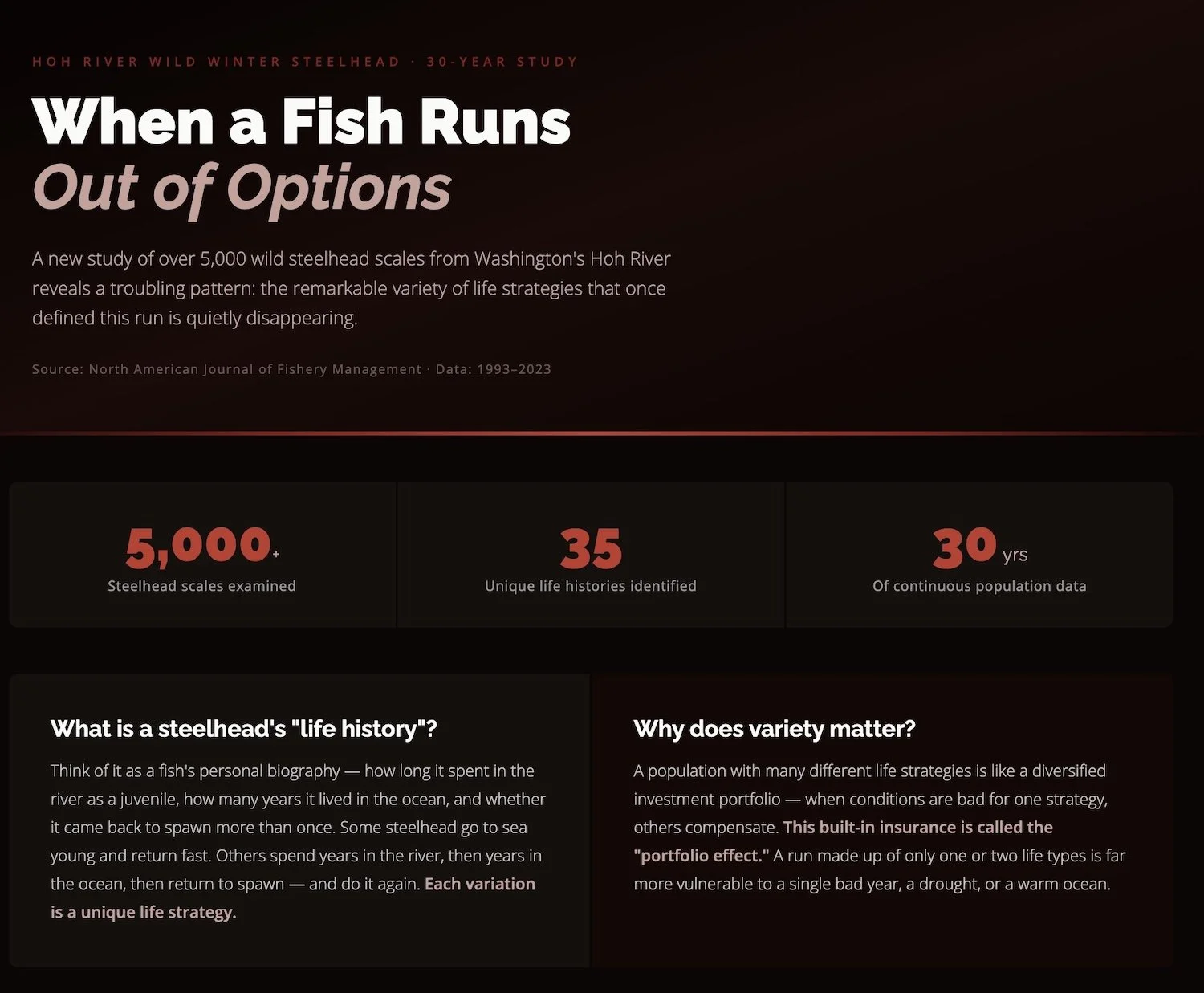
For thirty years, researchers tracked the life histories of wild winter steelhead on the Hoh River. What they found should reframe how we think about steelhead conservation entirely: the fish aren't just fewer. They're becoming less varied, less resilient, and less capable of adapting to the pressures closing in around them. Abundance was never the whole story.
Read More
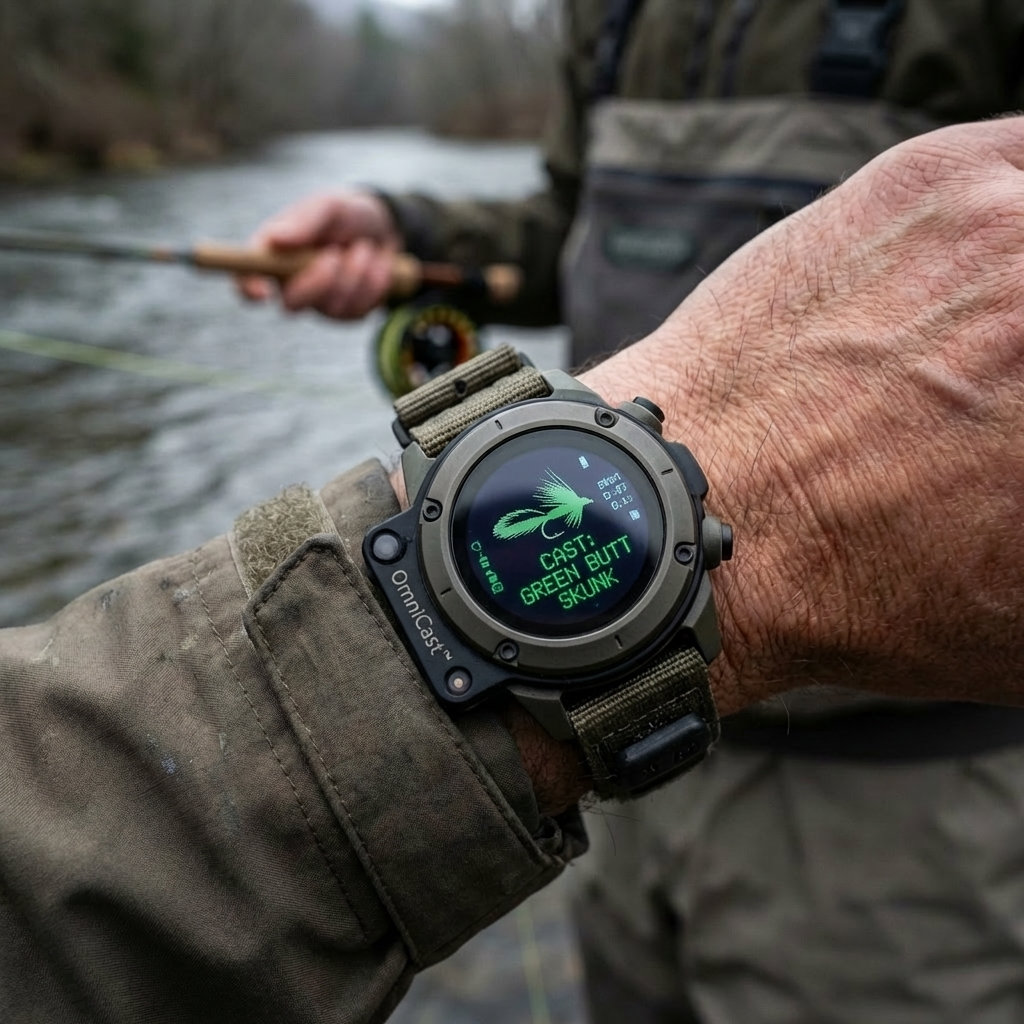
OmniCast™ AI Launches World's First Emotionally Intelligent Fly Selection Platform Steelhead Edition
OmniCast AI, the venture-backed startup at the intersection of precision outdoor recreation and applied machine learning, today announced the commercial launch of its flagship product: OmniCast™ Steelhead Edition. This wearable AI system analyzes real-time atmospheric pressure, river turbidity, the angler's cortisol levels, and 14 years of global steelhead encounter data to recommend the perfect fly every time, for a fish that may or may not exist in the river you're standing in.
Read More
Wild Steelhead Coalition Steelhead Science Scholarship
Each year, WSC awards a Steelhead Science Scholarship to support students conducting research that directly contributes to the conservation of wild steelhead. The 2026 scholarship will award $5,000 to one recipient, selected based on the relevance of their research focus and demonstrated need for funding.
Read More
Wild Steelhead Deserve Better Than Senate Bill 6241
Washington state legislators are considering Senate Bill 6241, a well-intentioned but misguided attempt to save struggling steelhead populations. The bill, introduced by Senators Braun, Boehnke, Dozier, Hasegawa, Wagoner, and Wellman, would direct the Washington Department of Fish and Wildlife to establish wild steelhead broodstock conservation programs statewide. The underlying assumption is simple: if hatchery programs are failing with out-of-basin broodstock, why not use local wild fish instead?
The answer, unfortunately, is equally simple: because it won't work, and it will likely make things worse.
Read More
Not an Exoneration, but a Wake Up Call
NOAA Fisheries’ decision that an Endangered Species Act listing for Olympic Peninsula steelhead is not warranted should not be interpreted as a clean bill of health for the species. An independent status review by federal scientists concluded that these fish face a moderate risk of extinction across their range—a clear acknowledgment that Olympic Peninsula steelhead are on a declining trajectory. That conclusion stands in stark contrast to the 1996 review, which found no risk of extinction then or in the foreseeable future.
Read More
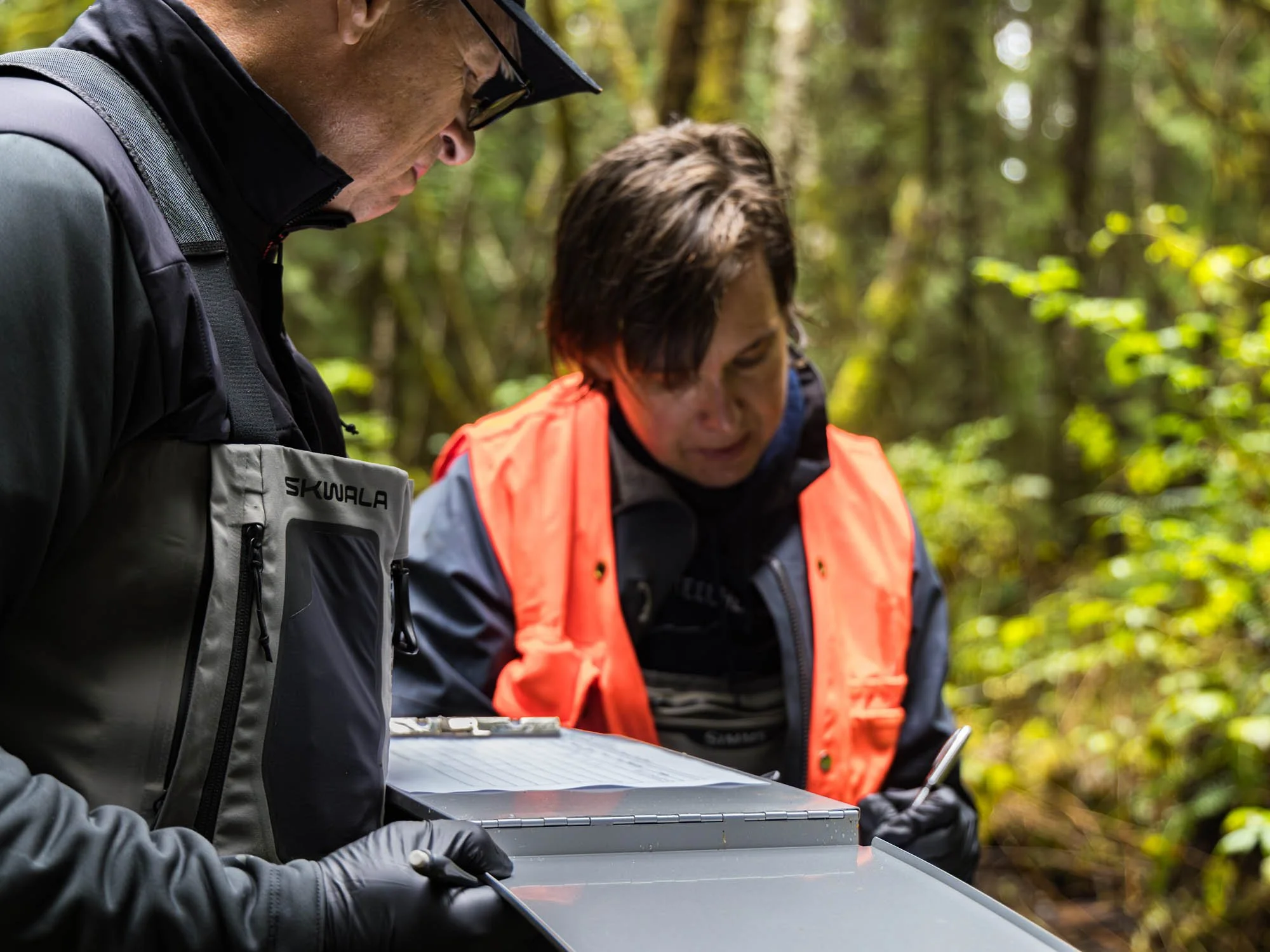
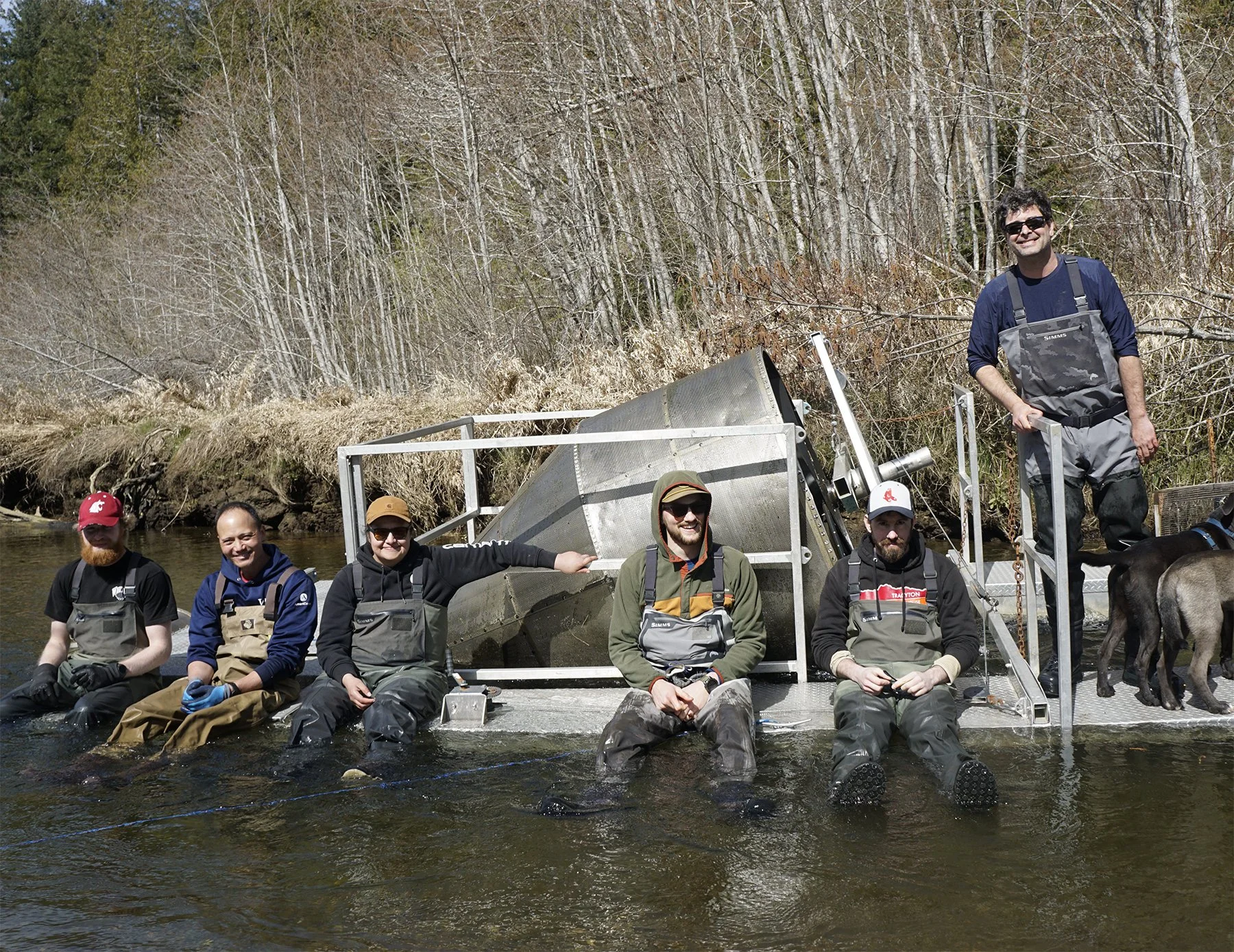
Supporting Critical Research: Hood Canal Salmon Enhancement Group's Work on Wild Steelhead and Coho
This past year, the Wild Steelhead Coalition provided a grant to support the exceptional work being carried out by the Hood Canal Salmon Enhancement Group (HCSEG). The Hood Canal region has long been on our radar, and while many organizations are active there today, HCSEG's work stood out immediately. We knew we wanted to help advance their dedicated research efforts.
Read More
Ocean Conditions and the Future of Wild Steelhead
Recent news coverage has brought renewed attention to the North Pacific's changing ocean conditions and what they mean for steelhead and salmon. NOAA scientists have been tracking how environmental shifts in the North Pacific are affecting survival rates for these iconic fish, and the picture isn't necessarily promising.
Read More
Progress, Not Perfection
On Friday, November 14, the Fish and Wildlife Commission approved a new Resident Native Trout Fisheries Policy by an 8-1 vote, a landmark shift in how Washington State manages wild rainbow trout.
After a two-and-a-half-year process, the Wild Steelhead Coalition, working alongside partner conservation organizations, scientists, and anglers who submitted public comments, fundamentally changed the conversation. While our original petition called for a state-wide no-harvest policy for resident rainbow trout in rivers with wild steelhead, the Commission took a different path. What we achieved may prove equally significant: Washington now has its first-ever policy that prioritizes evidence-based conservation of wild resident trout over anecdotal justifications for harvest.
Read More
British Columbia Is Irreplaceable
When the Canadian federal government recently announced a sweeping $500 million reduction in funding to Fisheries and Oceans Canada over the next four years, the implications for wild salmon and the communities that rely on them were immediate and alarming. In the heart of the Skeena River Valley region of British Columbia, monitoring efforts are already strained, escapement numbers are at historic lows, and the foundations of sustainable fisheries management are being undermined. The cuts not only signal a retreat from past political commitments to fisheries science and stewardship but also threaten the livelihoods, cultures, and ecological resilience of First Nations, independent fishers, and conservationists who depend on salmon and steelhead returns.
Read More
Our View: Wild Trout Policy Moving Forward
At the September off-cycle Fish Committee meeting, the Department’s draft Trout Policy was discussed between Steve Caromile and the Committee. While public comment was not taken, the dialogue provided a valuable snapshot of progress and remaining gaps.
Read More
WDFW Launches Rulemaking Effort to Address Coastal Steelhead Declines
In response to years of declining wild steelhead populations on Washington’s coast and growing federal scrutiny, the Washington Department of Fish and Wildlife (WDFW) has launched a formal rulemaking process to overhaul fishing regulations for steelhead, gamefish, and trout across the Olympic Peninsula and southwest coastal rivers.
Read More
No Sale: Public Lands Are Critical to Wild Steelhead Recovery
Wild steelhead need cold, clean, connected water. That means fighting to keep our public lands intact, accessible, and protected from short-term politics and long-term damage. Once these places are gone, we don’t get them back.
The Wild Steelhead Coalition joins conservation groups and hundreds of outdoor businesses in urging lawmakers to keep these wild places wild, for fish, families, and future generations.
Read More
Dear Wild Steelhead
Dear Wild Steelhead,
I search for you in these waters, wondering about your journey. Perhaps you're resting in some deep pool, your silver sides catching fragments of filtered light, recovering from an ocean crossing you had no choice but to endure. Or maybe you've already passed beyond reach, another ghost in rivers growing emptier each season.
Read More
A Precarious Moment for Fisheries Management
At a time when U.S. fisheries face mounting ecological pressures—from climate change to habitat degradation—the National Oceanic and Atmospheric Administration (NOAA) is being forced to contend with severe budget reductions. These cuts threaten the foundation of science-based fisheries management in the United States. With staff reductions, project cancellations, and curtailed research capacity, NOAA's ability to monitor fish populations, enforce sustainable harvest regulations, and restore degraded ecosystems is being compromised just when it is most urgently needed.
These impacts will ripple through coastal communities, Indigenous fisheries, commercial and recreational sectors, and the fragile ecosystems on which they all depend. Nowhere is this more apparent than in the case of wild steelhead.
Read More