
Progress, Not Perfection
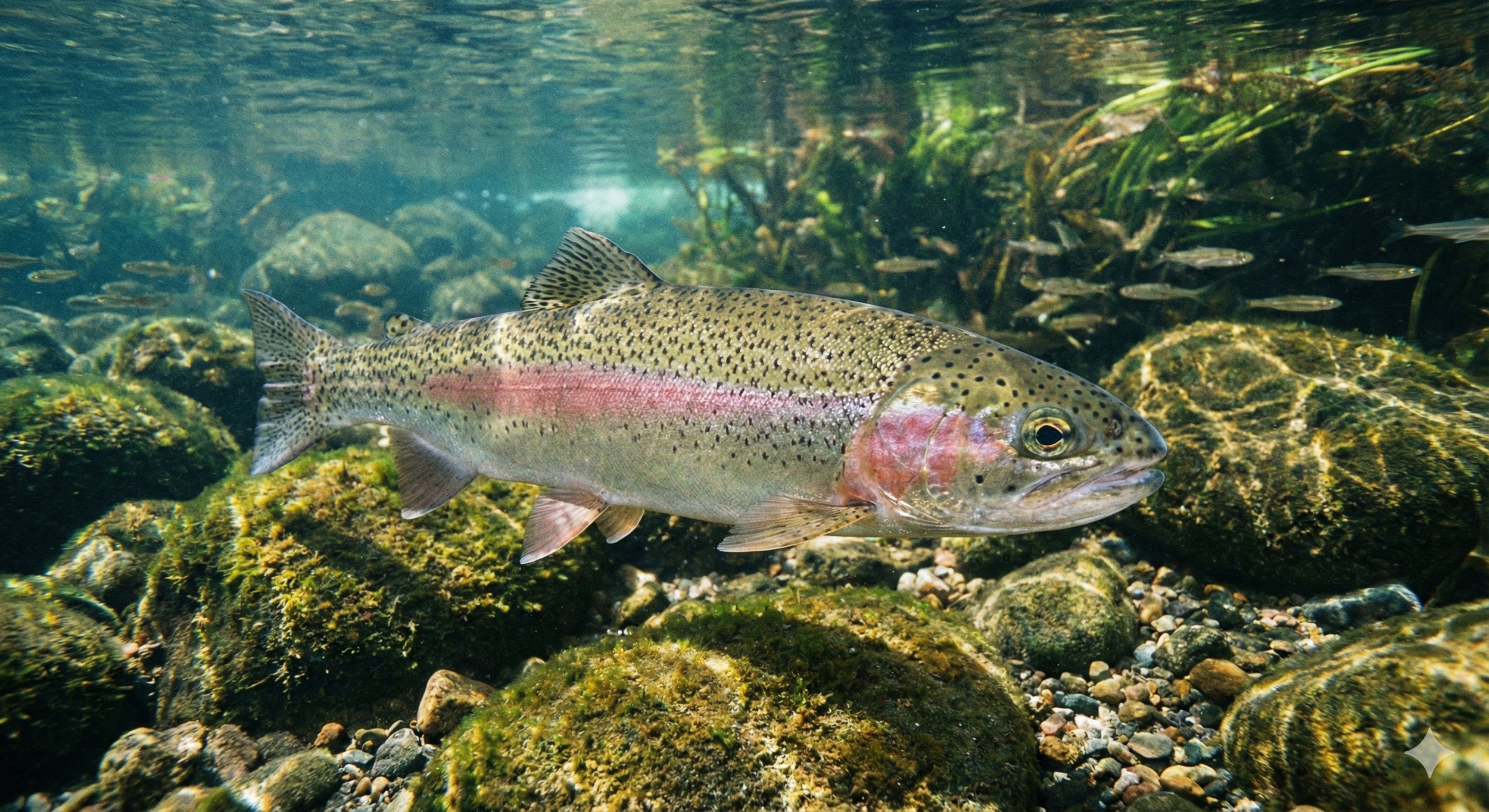
On Friday, November 14, the Fish and Wildlife Commission approved by an 8-1 vote a landmark shift in how Washington State manages wild rainbow trout.
After a two-and-a-half-year process, the Wild Steelhead Coalition, working alongside partner conservation organizations, scientists, and anglers who submitted public comments, fundamentally changed the conversation. While our original petition called for a state-wide no-harvest policy for resident rainbow trout in rivers with wild steelhead, the Commission took a different path. What we achieved may prove equally significant: Washington now has its first-ever policy that prioritizes evidence-based conservation of wild resident trout over anecdotal justifications for harvest.
The policy's new title says it all: "conservation" replaced "harvest" as the guiding principle. Even more importantly, the policy explicitly requires coordinated management of resident and anadromous forms of Oncorhynchus mykiss where they coexist. This acknowledges what science has shown: resident rainbow trout and steelhead are the same species, with fluid life histories that require integrated management.
Throughout this process, the Coalition and our partners emphasized critical uncertainties that WDFW had not adequately acknowledged, particularly the role resident wild rainbow trout play in maintaining steelhead populations. The research is clear: these fish aren't separate populations to be managed in isolation. They're part of a life history strategy that provides genetic resilience and population stability for steelhead facing mounting threats from climate change, habitat loss, and other pressures.
The real work begins now. This policy is only as strong as its implementation. It will be up to anglers, conservation organizations, tribal nations, and other stakeholders to monitor WDFW's actions and ensure this policy translates into meaningful protections in fishing rules across the state.
For watersheds harboring wild, and often endangered, steelhead, protecting resident wild trout isn't just good fisheries management. It's recognizing that these fish represent the genetic diversity and adaptive capacity that steelhead populations will need to survive an uncertain future.
We didn't get everything we asked for. But we moved the needle. And in conservation, that's progress.