Supporting Critical Research: Hood Canal Salmon Enhancement Group's Work on Wild Steelhead and Coho
This past year, the Wild Steelhead Coalition provided a grant to support the exceptional work being carried out by the Hood Canal Salmon Enhancement Group (HCSEG). The Hood Canal region has long been on our radar, and while many organizations are active there today, HCSEG's work stood out immediately. We knew we wanted to help advance their dedicated research efforts.
As many of you know, the Hood Canal and its salmon and steelhead populations face numerous challenges. HCSEG and its committed team are working tirelessly to improve the future of wild fish throughout the region. Their work isn't just important, it's essential to understanding what's happening to these populations at historic lows and what it will take to bring them back.
Two Years of Groundbreaking Field Research
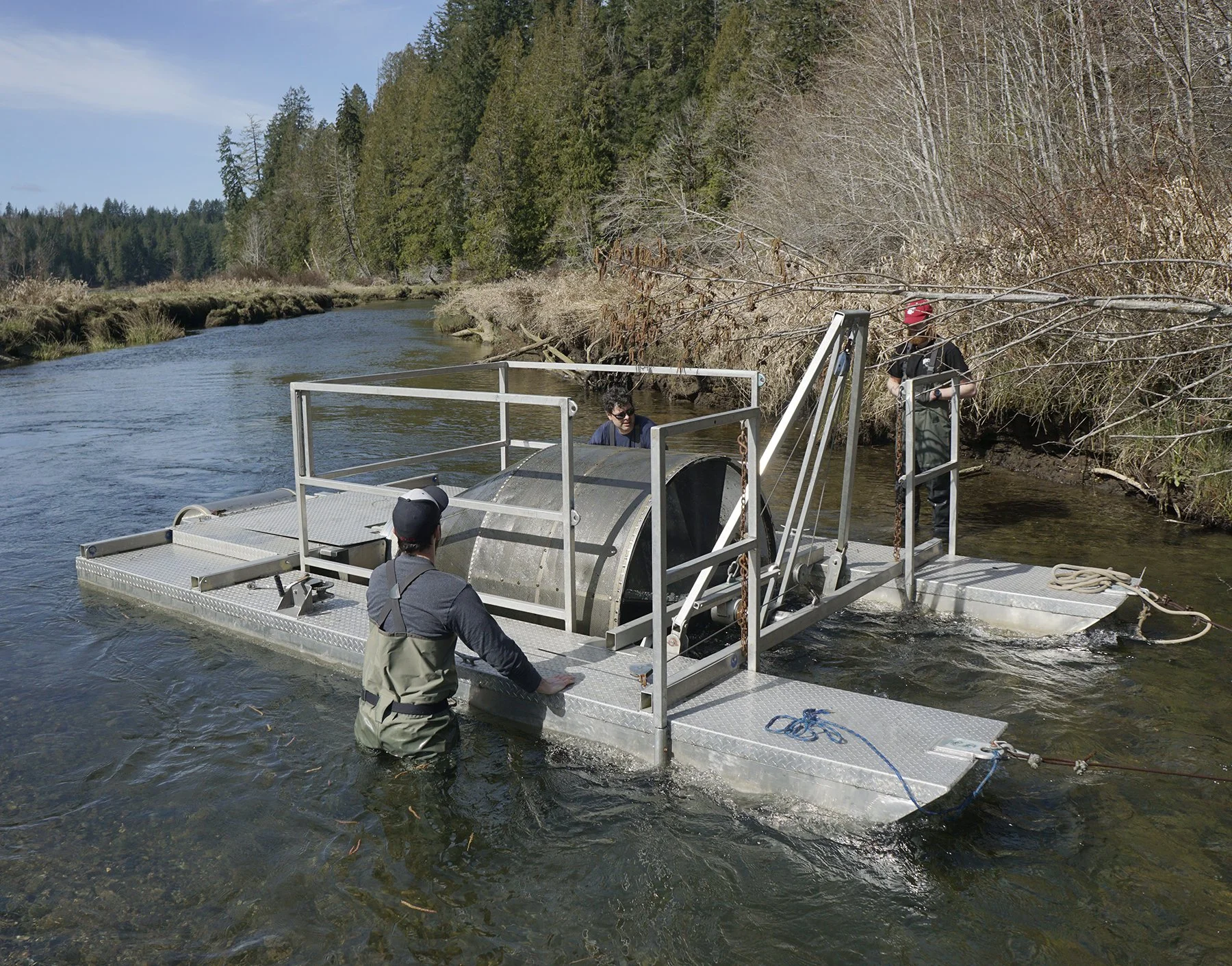
Over the past two years, HCSEG has maintained one of the most rigorous juvenile salmonid monitoring programs in the Pacific Northwest. Their Wild Steelhead and Coho VSP Program has generated high-quality, long-term data that should inform management decisions.
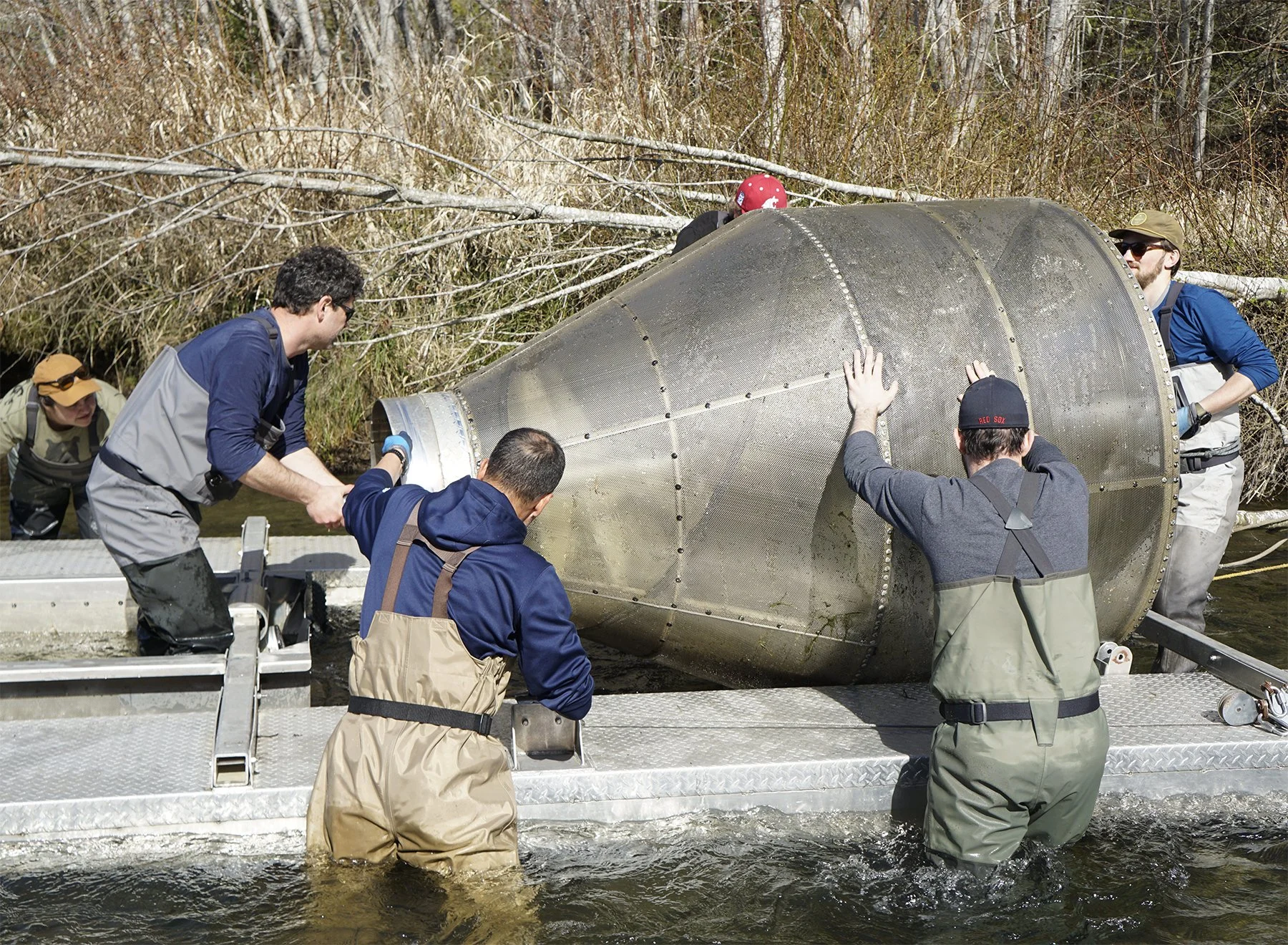
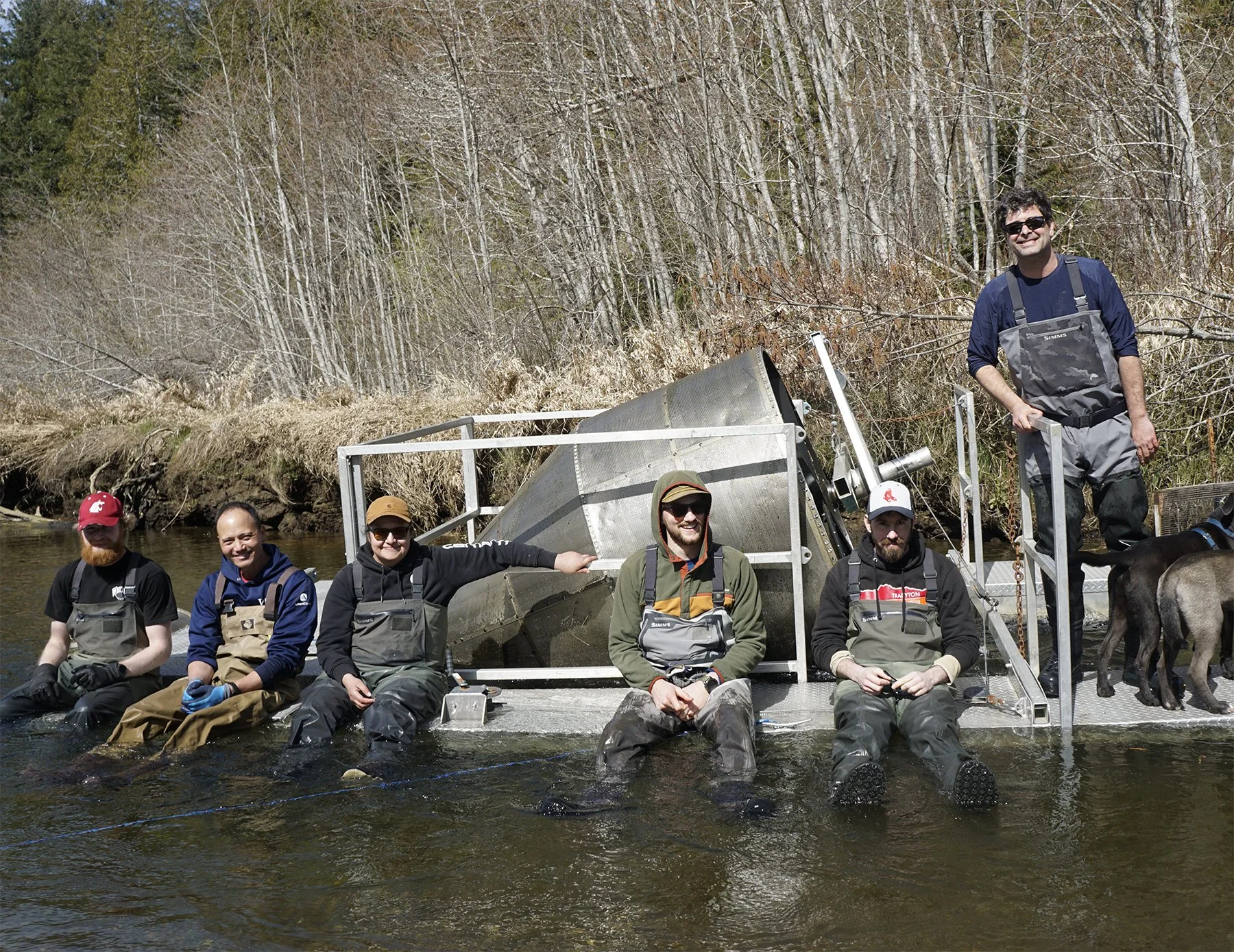
The team successfully operated three juvenile rotary screw-trap monitoring stations on the Tahuya, Dewatto, and Little Quilcene Rivers throughout each spring season. This isn't easy work. It means overcoming challenges such as debris, high flows, scheduling fluctuations, and ongoing equipment maintenance to ensure daily trap operations for nearly 10 weeks each year.
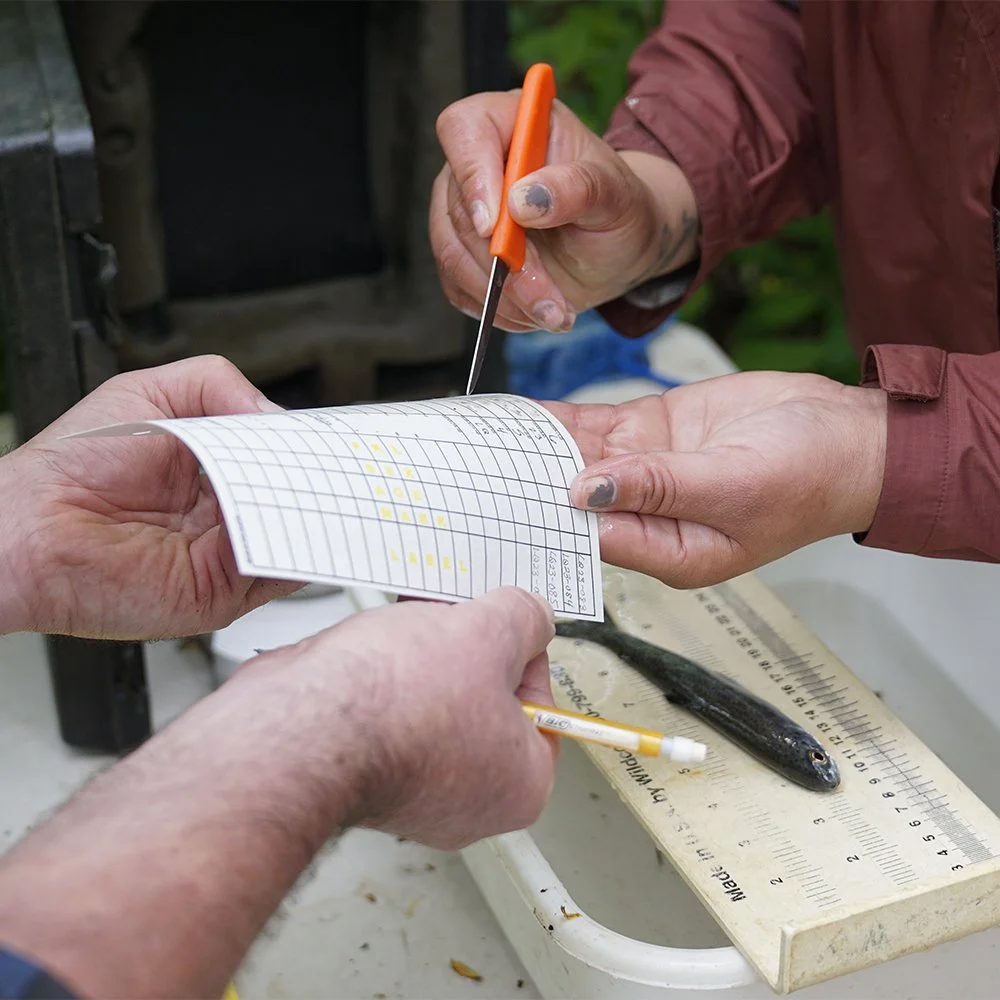
Through comprehensive mark-recapture studies, HCSEG has estimated trap efficiencies and total outmigration abundance for both wild steelhead and coho across all monitored systems. The datasets they've generated, covering smolt abundance, productivity, fork-length distributions, and migratory timing, directly support Viable Salmonid Population (VSP) analyses for Hood Canal populations.
The Details Matter
HCSEG's commitment to scientific rigor is evident in the volume and quality of biological samples they've collected and archived. We're talking about thousands of samples: weekly length measurements for steelhead and coho smolt, weekly scale samples for age and life-history reconstruction, and additional opportunistic sampling at the Union River trap for cross-basin comparison.
This meticulous work has documented key freshwater survival and outmigration trends that inform ESA recovery planning, habitat restoration prioritization, and long-term monitoring strategies. The data directly improve abundance and productivity estimates for wild coho populations across Hood Canal, increasing accuracy in fisheries forecasting and co-manager decision-making.
Perhaps most importantly, HCSEG has maintained continuity of the long-term NOAA Hood Canal Steelhead Project datasets, preserving one of the most important multi-decade VSP tracking efforts in the Pacific Northwest. In an era where long-term monitoring programs are often the first to lose funding, this continuity is invaluable.
Building Capacity Beyond the Data
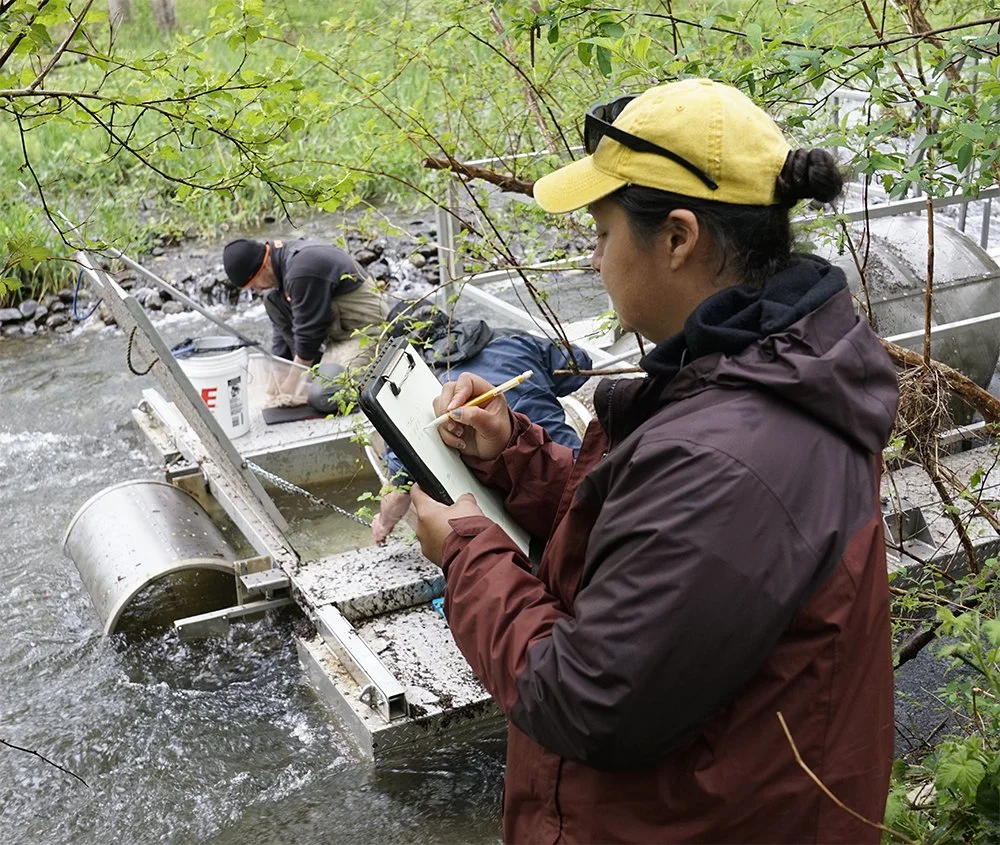
HCSEG hasn't just focused on collecting data; they've built a program designed to last. The team created field-ready protocols, training materials, and volunteer and intern manuals that standardized data collection, safety, and sampling procedures across all field crews. This kind of institutional knowledge-building ensures the program can continue delivering high-quality results year after year.
They've recruited, trained, and led dozens of interns and volunteers from HCSEG, WDFW, Vancouver Community College, and local schools, effectively expanding community involvement, science literacy, and monitoring capacity throughout the region. The integration of the Union River trap into broader data collection efforts has enhanced spatial coverage and provided additional steelhead and coho smolt data relevant to regional VSP assessments.
HCSEG has also increased collaboration with WDFW, NOAA, and tribal co-managers, strengthening joint recovery efforts and improving region-wide data reliability. Their established seasonal reporting framework ensures data are compiled, vetted, and ready for analysis, forecasting, and interagency review. This is what effective collaboration looks like.
Why This Matters
Wild steelhead populations in these three river systems are at historic lows. Without ongoing, rigorous monitoring like what HCSEG provides, we're essentially flying blind when it comes to recovery decisions. The data they're generating today will inform management decisions for years to come, decisions about habitat restoration priorities, harvest management, and hatchery reform.
This is the kind of work that deserves support and recognition. It's not flashy, it's not easy, and it doesn't generate headlines. But it's fundamental to any credible effort to recover wild steelhead in the Pacific Northwest.
Get Involved
This year, the Wild Steelhead Coalition will continue to support HCSEG's research. We encourage all our supporters to learn more about this organization and consider spending a day on the river with their team of biologists. Daily volunteer opportunities at the screw traps are posted on their website. It's a fascinating and meaningful way to get involved—no fisheries experience required.
In a region where wild steelhead face mounting challenges, organizations like HCSEG represent our best hope for understanding what's happening and charting a path toward recovery. Their work demonstrates what's possible when dedication, scientific rigor, and community engagement come together to serve wild fish.
To learn more about the Hood Canal Salmon Enhancement Group and its monitoring programs, visit their website or follow their work on social media. And if you're in the Hood Canal area this spring, consider volunteering at one of the screw traps. You'll gain firsthand insight into both the challenges these fish face and the people working every day to give them a fighting chance.
The HCSEG is also raising funds to support our Hood Canal Steelhead and Coho Project! Donations will directly support monitoring our steelhead and Coho traps on the Little Quilcene, Tahuya, and Dewatto Rivers. During each project season, they need to make 128 trips to these trap locations to collect data used in efforts to recover Puget Sound Steelhead.